What is Play-Based Learning and Why Does It Actually Matter?
If you have spent any time looking at preschools recently, you have probably come across the phrase play-based learning. It is on almost every school website. It comes up in parent Facebook groups. You hear it at the playground from other mums and dads who are going through the same search you are.
And if you are honest, your first reaction is probably somewhere between curious and a little sceptical. If my child is spending the morning playing, when are they actually learning? Will they fall behind? Will they be ready for Primary School? We hear these questions all the time. Here is our honest answer.
Play and learning are the same thing at this age
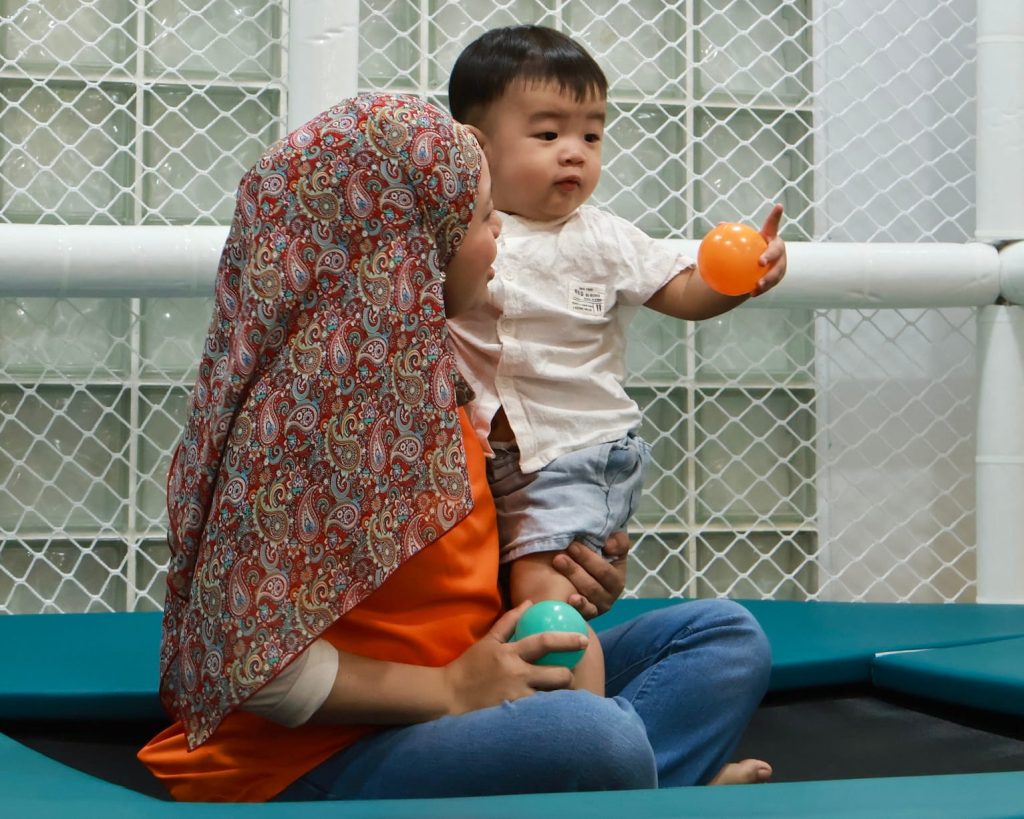
This is the most important thing to understand. For a young child, play is not a break from learning. It is how learning actually happens.
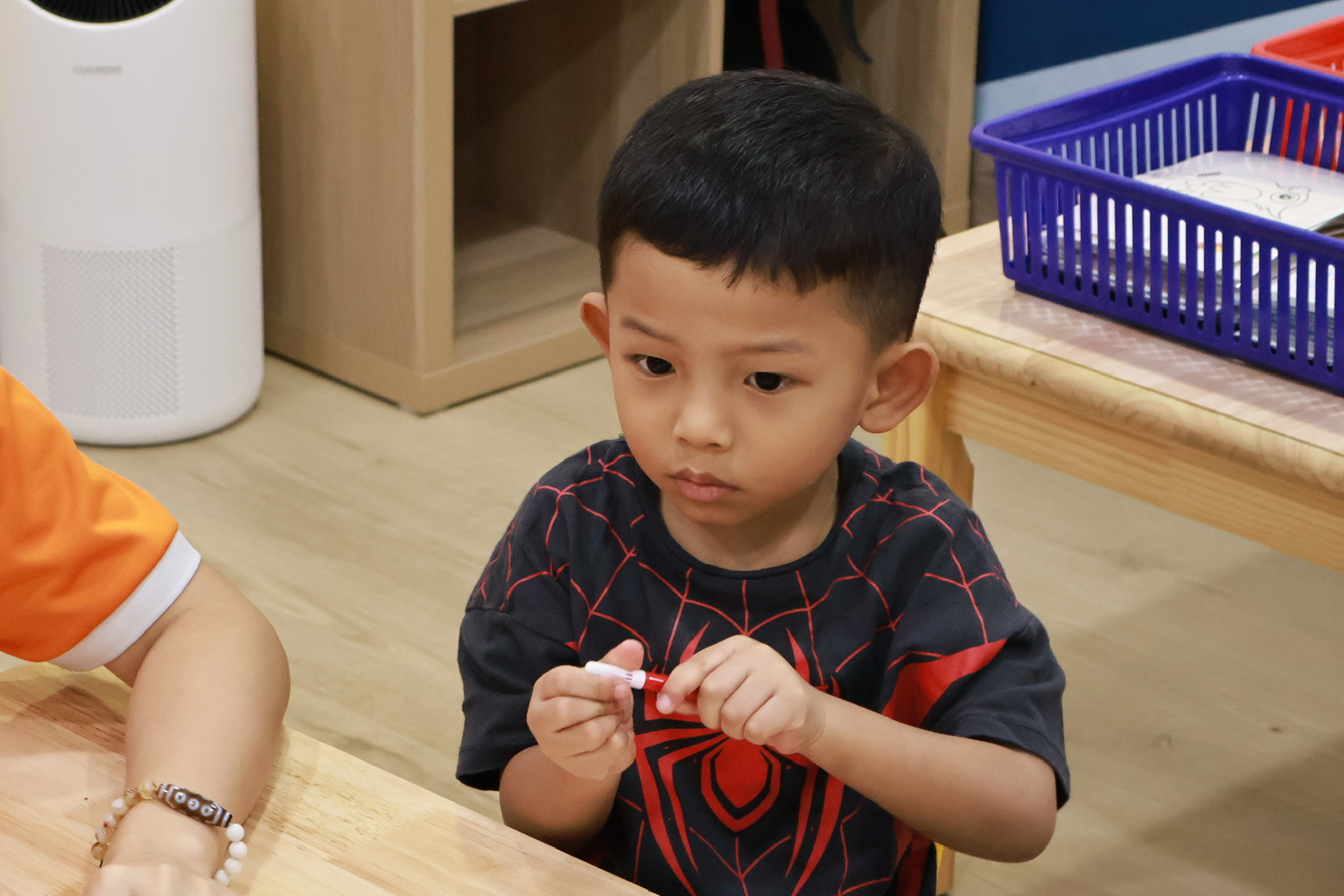
Watch a two-year-old pour water from one cup into another. Over and over again. They are not just playing. They are figuring out weight, cause and effect and how to control their hands. All at the same time. All by themselves.
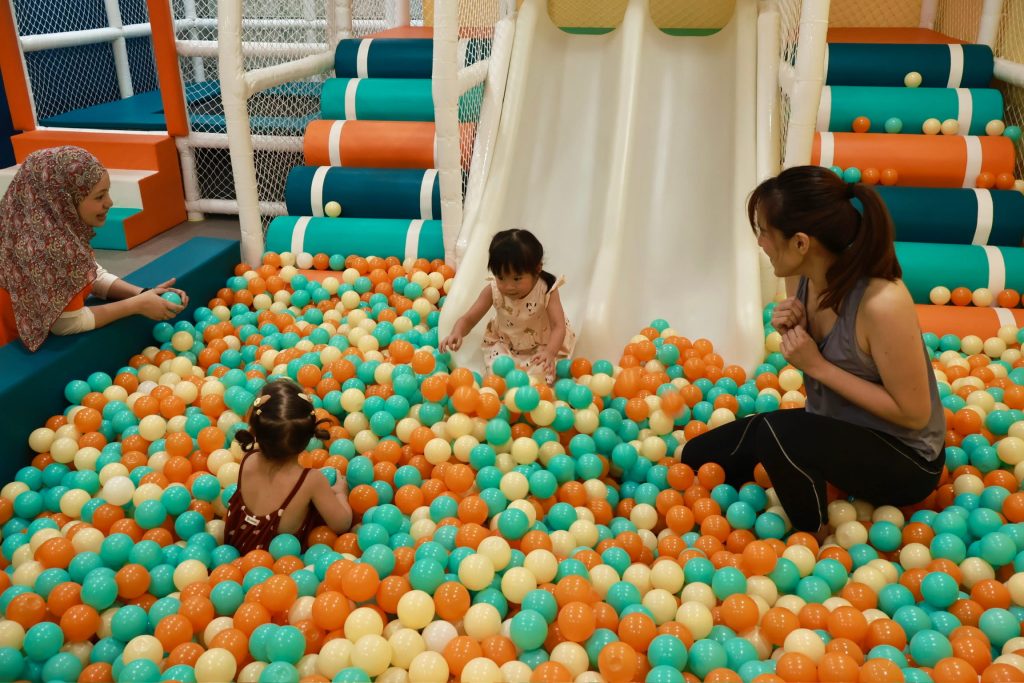
Watch a three-year-old set up a pretend restaurant with a friend. They are building vocabulary, practising counting and learning how to handle it when the friend disagrees about who gets to be the chef.
None of that is accidental. All of it is real learning.
What happens when academics are pushed too early
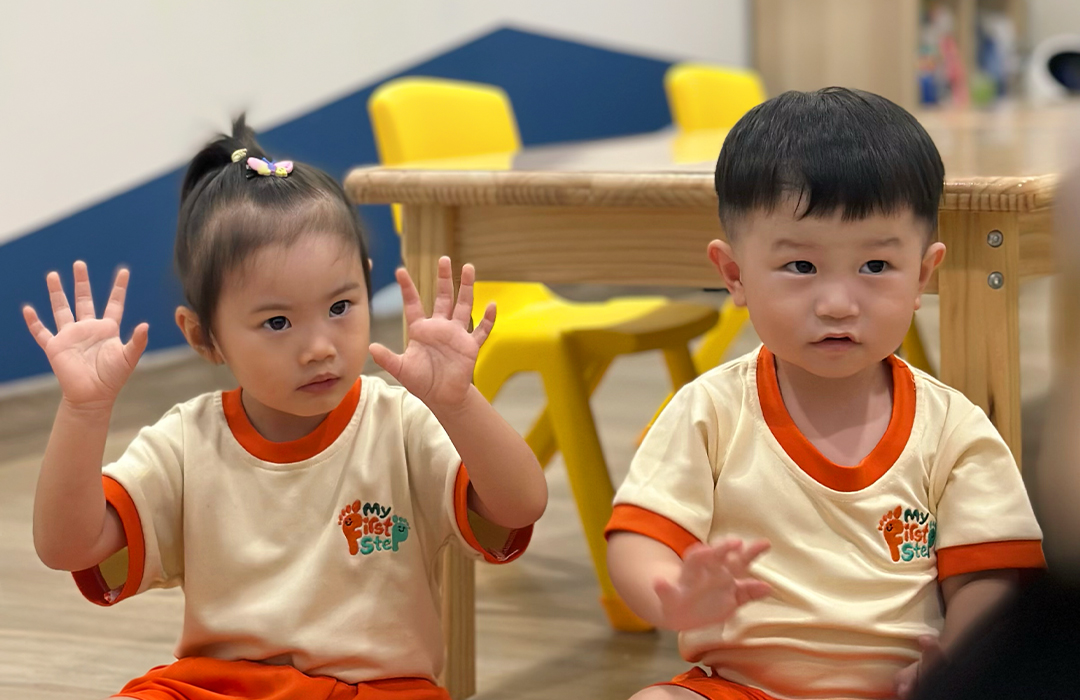
Young children do not learn well by sitting still and being taught. Their brains are simply not at that stage yet. They learn by doing, moving, touching and trying things over and over again.
When formal academic work is introduced before a child is ready for it, something often goes wrong. Children start to feel anxious about getting things wrong. Sitting down begins to feel hard and unpleasant. The natural curiosity they had starts to quietly disappear.
We have seen this happen. And we have also seen what children look like when they are given the space to develop at their own pace first. The difference is real.
What it actually looks like in the classroom
Play-based learning does not mean children running around freely while teachers watch from the side. That is the most common misunderstanding and it is worth clearing up.
In a good play-based classroom, every part of the room is set up with a purpose. The art corner is not just for making things. It is building fine motor skills and helping children learn to follow through on an idea from start to finish. The dramatic play area is not just dressing up. It is where children practise language, learn empathy and begin to understand how other people see the world.
Teachers are actively involved throughout. They ask questions, introduce new words, notice when a child is ready for a new challenge and step in at just the right moment.
The structure is there. The learning is there. It just looks different because the child is the one doing, not just listening.
Will my child be ready for Primary School?
Yes. Children who have had a strong play-based early years experience tend to arrive at primary school with genuine confidence. They know how to make friends. They know how to ask for help. They can sit and focus because they spent their early years truly engaged in things they cared about.
School readiness is not really about whether a child can write their name at four. It is about whether they walk through the gate on their first day with enough confidence and emotional steadiness to actually be present for what comes next. That is what a good play-based preschool is working towards every single day.
What to ask when you visit a school
If you want to understand how seriously a school takes play-based learning, a few simple questions go a long way.
Ask what a typical morning looks like from your child’s point of view. Ask how teachers plan their activities and what they are paying attention to while children are at play. Ask what happens when a child is having a hard day socially or emotionally.
A school that genuinely understands this approach will answer those questions with warmth and confidence. They will not be defensive about the word play. They will lean into it because they have seen what it builds in children over time.
At My First Step
At My First Step Early Childhood Centre in Damansara Jaya, play-based learning is not something we put on our website to sound good. It is how we actually run each day.
Meaningful play and structured learning work side by side here so that every child has the room to grow at their own pace and build the kind of confidence that carries them well beyond preschool.
If you would like to see what that looks like in practice, come and spend some time with us. Watching it happen is far more convincing than anything we can write here.