How to Prepare Your Toddler for Preschool: A Guide for Malaysian Parents
Starting preschool is one of those milestones that feels bigger for parents than we ever expect it to. One day you’re watching your toddler take their very first steps and suddenly you’re packing a little bag and wondering: are they ready? Am I ready?
If you’re a parent in Petaling Jaya, Damansara or the surrounding areas preparing your child for preschool, know this: a little preparation goes a long way. It doesn’t have to be stressful. In fact, it can be a beautiful season of growth for your child and for you.
Here’s how to make that transition as smooth and joyful as possible.
1. Start Talking About Preschool Early and Keep It Positive
Children take their emotional cues from us. If we talk about preschool with warmth and excitement, they begin to feel that too.
A few weeks before their start date, weave preschool naturally into your conversations. “Soon you’ll go to school and make new friends!” or “Your teachers are going to love getting to know you.” Keep it light, keep it positive and let curiosity build gradually.
Avoid phrases like “Don’t cry” or “You have to be brave” because these quietly signal that there’s something to be afraid of. Instead, acknowledge their feelings openly. “It might feel a little new at first and that’s okay. New things often turn into our favourite things.”
One simple thing that works beautifully is to casually drive or walk past the school in the weeks before term begins. Point it out naturally: “That’s your school! That’s where you’ll go to play and learn.” You don’t need to make a big moment of it. Just letting the building become a familiar part of their world quietly does a lot of the work for you.
2. Build a Consistent Daily Routine at Home
Children thrive when they know what comes next. Routine isn’t just about keeping the household organised. It actively shapes how a child feels throughout the day, how they handle transitions and how settled they are in their behaviour and mood. A child who wakes, eats and rests at predictable times arrives at school in a very different state to one whose mornings are unpredictable and rushed.
Preschool runs on rhythm: mealtimes, learning time, rest and play. Children who already have a predictable routine at home tend to settle into the school day far more comfortably because the structure feels familiar rather than foreign.
If your mornings are currently a little relaxed, now is a good time to gently introduce some structure. A consistent wake time, a proper breakfast and a calm send-off routine can make an enormous difference on those first few school mornings. It doesn’t need to be military precision. Just enough consistency that your child knows what to expect each day and feels safe within that predictability.
3. Read Stories About Starting School Together
There is something gently powerful about a picture book. When a child sees a character going through the same experience they are about to face, it normalises the whole thing beautifully. Look for stories at your local bookstore or library that follow a young child on their first day. Let your child ask questions and let the conversations unfold naturally at bedtime, without any pressure.
4. Visit the Centre Before the First Day
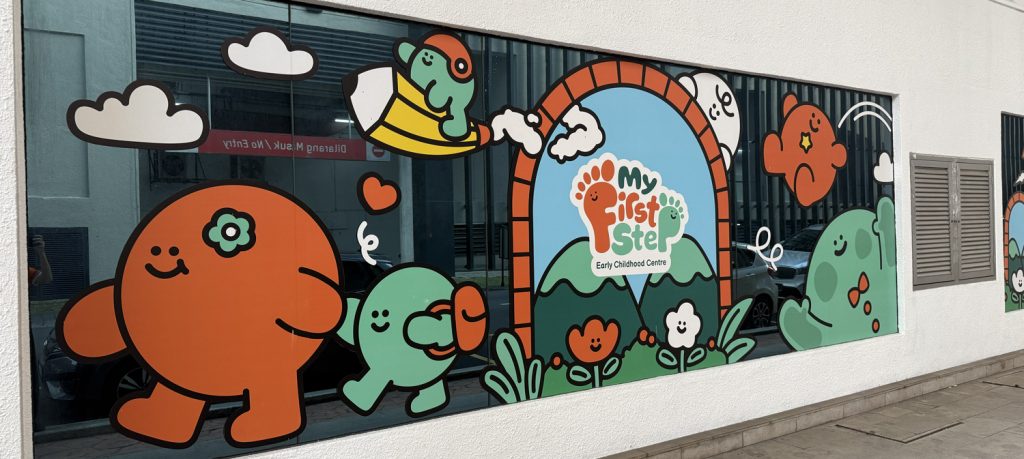
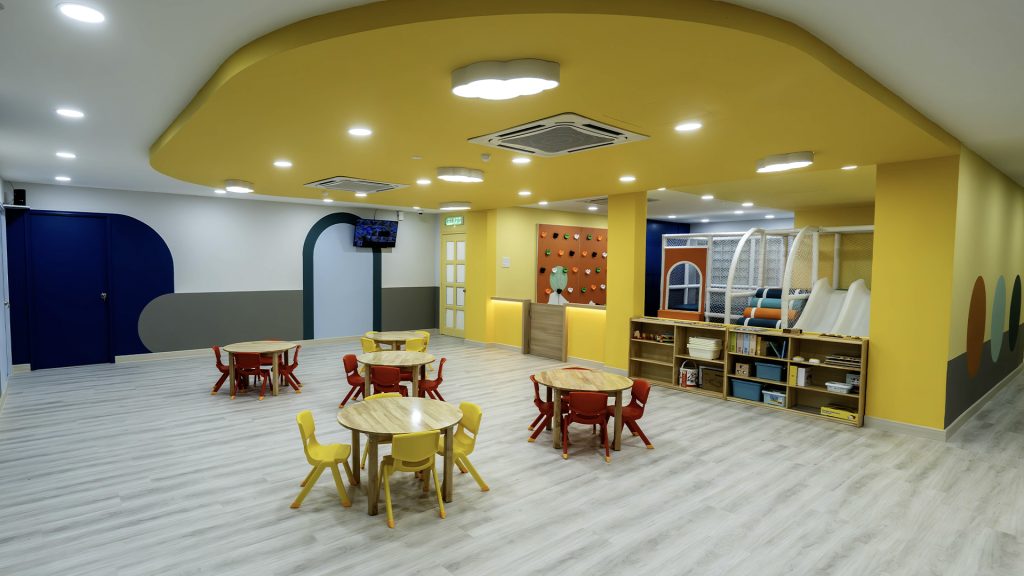
While casually passing by the school helps build early familiarity, there is real value in going one step further before term begins. If your child’s preschool offers a visit or orientation session, take it. A proper walk-through lets your child see the classroom they will sit in, the space where they will eat and the area where they will play. It transforms the unknown into something concrete and familiar.
At My First Step Early Childhood Centre in Damansara Jaya, SS22, we always encourage families to come and experience the environment before the first day. We want your child to walk in on day one thinking “I’ve been here before. I know this place.” That small shift in familiarity makes a world of difference.
5. Prepare Yourself Emotionally Too
This one is for the parents reading this while quietly tearing up.
Separation anxiety doesn’t only belong to toddlers. Many parents find the first drop-off unexpectedly emotional and that is completely valid. Your child has been your whole world and entrusting them to someone else, even someone wonderful, takes real courage and trust.
Here is what we have seen time and again: children read our energy at drop-off. A confident, warm goodbye, even if your heart is aching a little, tells your child that this is safe and that they are safe. Say a proper goodbye. Don’t sneak away as this often makes things harder. Keep it brief, warm and consistent. Then trust the people you have chosen to care for your child.
6. Give It Time — Every Child Settles at Their Own Pace
Some children skip into class on day one and never look back. Others need a few weeks to feel truly at home. Both are completely normal and neither tells you anything about your child’s future love of learning.
What matters most in these early weeks is not academic readiness but emotional safety. When a child feels seen, secure and genuinely cared for, curiosity follows naturally. Learning blooms from that foundation. At My First Step, we keep our class sizes intentionally small so that every child receives meaningful attention rather than just supervision. No child here is simply a face in the crowd.
7. Nurture Their Social Confidence Through Play
For children who haven’t spent much time around other kids, the social landscape of a preschool classroom can feel overwhelming at first. Playdates, visits to the playground or even library storytimes are gentle ways to help your toddler get comfortable sharing space and interacting with peers.
Talk about social moments together too. After a playdate, you might ask “How did it feel when you shared your toy?” or “What did you like about playing with your friend today?” These small conversations build emotional vocabulary and emotional vocabulary helps children navigate new friendships far more easily once school begins.
8. Practise Simple Independence Skills
Preschool is where children begin to do small things for themselves. The more confident they feel in these little moments, the more they can focus on learning and connecting with friends.
Some skills worth practising at home before the first day include using the toilet independently and washing hands afterwards, putting on and removing shoes, eating a meal without too much assistance, carrying and opening their own bag or lunchbox and communicating basic needs such as “I’m thirsty,” “I need help” or “I need to go to the toilet.” None of these need to be perfect. The goal is familiarity, not mastery. Even trying builds confidence.
A Final Word, From Us to You
Preparing your toddler for preschool is less about drilling flashcards and more about building confidence, routine and trust. The academic milestones will come and they will come more readily when a child feels safe and joyful in their learning environment.
If you are looking for a preschool in Damansara Jaya, Petaling Jaya where your child will be genuinely known and cared for from the very first day, we would love to welcome your family to My First Step Early Childhood Centre.
Come and see what we have built. Arrange a visit with us today.